
Hello there! My name is Lucinda and you’ve probably found my website because you’re trying to find out what the best ear wax removal product or kit is, and to get a better understanding of how to get rid of ear wax.
Or maybe you are just looking for information on getting a better understanding of ear wax removal products?
Update: The top rated earwax removal kit by elephant ear washer is highly recommended. Take a look by clicking here.
Either way, you’ve come to the right place 🙂
I’m no professional in this industry, I’m just someone who has suffered from ear wax problems in my past and during my search for the best method to remove ear wax I’ve learned plenty of useful information.
To dispell all the benefits from the research I’ve performed, I created this website to share with you.
Check Out The #1 Method For 2022
There exists much misinformation about the best ear wax removal technique and the true efficacy of these methods. This can make it very complicated and time-consuming to discern which is the most appropriate method for your needs as each seller will tout the same thing about their product when in fact, there is a large variance between products and their effectiveness and safety.
To help you in your search, we have completed this list of the best ear wax removal products and kits that exist in 2022.
With our ear wax removal guide and product reviews, we’ll help you make a more informed decision and get a product with the benefits you need. It’s important to do your prior research, so read our reviews and comparisons to decide which model you need.
Ear wax is a problem everyone has to deal with.
Earwax, also known as cerumen, is a yellowish waxy substance secreted in the ear canal as a protective measure – it traps bacteria, dust, and other small particles and prevents them from reaching, and potentially injuring or infecting the eardrum. Normally, the wax dries up and falls out of the ear, along with any trapped dust or debris.
Ear Wax Removal Products Compared

- Ear Candle
- $
- Safety: Low
- Effective? No
- 2 Stars

- Vacuum
- $
- Safety: High
- Effective? No
- 3 Stars

- Irrigation
- $$
- Safety: High
- Effective? Yes
- 5 Stars
- Q-Tips
- $
- Safety: Low
- Effective? No
- 2 Stars
- Syringe
- $$$
- Safety: High
- Effective? Yes
- 5 Stars
Best Ear Wax Removal Kits Reviewed
Everyone makes ear wax, but sometimes too much ear wax is produced.
Excess or compacted cerumen can press against the eardrum or clog the outside ear canal, impeding the passage of sound impede in the ear canal and potentially causing hearing loss. Some people regularly get blocked ears because they naturally produce a lot of earwax.
Smaller or peculiarly shaped ear canals may make it difficult for the naturally occurring wax to get out of the canal and lead to wax impactions. Earwax can also block your ear if you frequently insert objects into your ear canal, such as cotton buds, hearing aids or earphones.
Doctors discourage earwax removal unless excess earwax is causing health problems. While various methods of earwax removal are effective, one should take into consideration both the benefits and risks each method has.
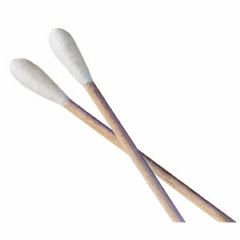
Q-Tips
One of the most popular ear cleaning alternatives.
They’re cheap, available in literally every supermarket or pharmacy, and are quite easy to use.
Insert in the ear, scrape at the ear wax and discard.
Apparently, this seems like a simple and effective cleaning method, but you’re not really removing the ear wax – you’re pushing it deeper inside. And the more you push the ear wax deeper into your ear, the more wax builds up, eventually blocking the canal completely – leading to reduced hearing.
There is also a chance (albeit a small one) that you will perforate your eardrum, a very delicate membrane. If you’re using cotton swabs, you should only clean the outer third of your ear, where the ear wax is produced.
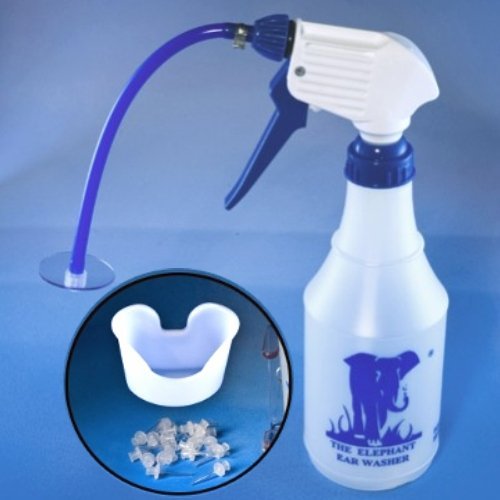
 The Best Ear Wax Removal Method – Irrigation
Extensively used in doctor offices, medical clinics, and hospitals.
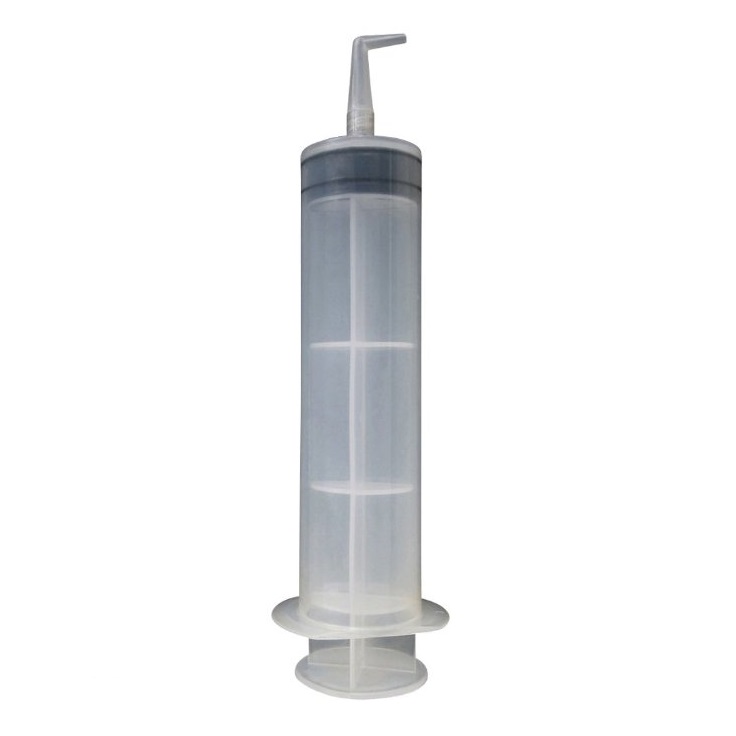
There are also ear wash systems that are designed to be practical and easy to use at home. Simply put, the treatment involves water being squirted from a syringe into your ear to wash the earwax out.
After irrigating, the head is tipped to allow the water to drain. It may be necessary to repeat irrigation several times. It is a highly efficient ear-cleaning method, and it can get rid of ear wax blockages.
Check Out Our In Depth Review Of The Elephant Washer Ear Irrigation System
However, caution should be exercised, as the sudden pressure of water and its temperature can affect your inner ear, causing dizziness and nausea.
Patients normally prefer the irrigation solution to be warmed to body temperature; any other temperature may lead to vertigo.
This is one of the ideal methods for how to get rid of ear wax.

Hydrogen Peroxide
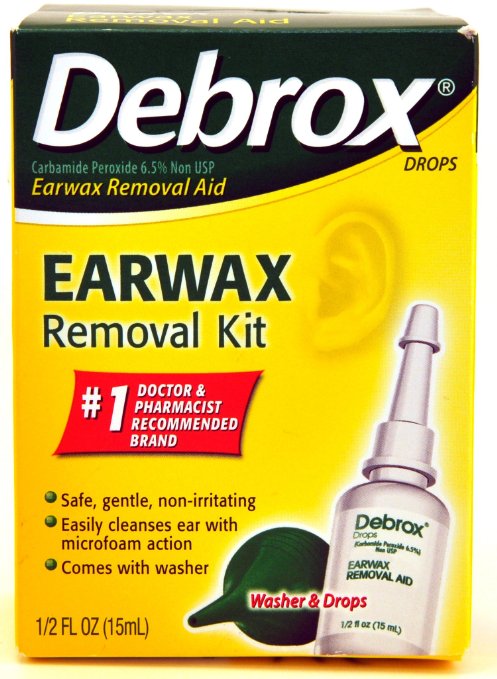 Hydrogen peroxide is one of the most frequently used methods for cleaning your ears.
It helps to soften and loosen the ear wax, making it easier for you to remove or allowing the soft, now-liquid wax to simply drain out of your ear. Having said that, one thing you need to remember about hydrogen peroxide is that it can irritate your ear.
If you use it too often, the strong solution can cause itchy, red skin, which is inclined to a greater build-up of wax. If you’re going to use hydrogen peroxide, make sure to use it maximum once a day, no more than two or three days in a row.
This product works best in combination with the irrigation system outlined above. If the wax is made softer it will flow out of the ear with much less resistance making the ear wax removal process much more pleasant.
Vacuum
There have been devices on the market that suction out earwax. However, studies have shown that the suction produced by these devices is too weak, to the point of being negligible.
Even when the ear canal is professionally vacuumed, it only works with some earwax types. Also, the danger of using vacuum devices needs to be pointed out, as they have the potential to create high negative pressures when sealed up against the ear canal entrance which could lead to eardrum perforation as well as permanent hearing loss (similar to kissing ear syndrome).
As such, it is not recommended to use this product. Nevertheless, should you decide to use this method it, you are advised to leave this to a trained health-care professional with special instruments.
Ear Wax Candle
Ear candling is an alternative medical practice which is said to improve general well-being by lighting one end of a hollow candle and positioning the other end in the ear canal.
According to medical specialists, it is both dangerous and ineffective. Advocates say that the dark residue that is left after the procedure is extracted earwax, proving the efficacy of the procedure.
In theory, as the flame burns, a vacuum is created, which draws the wax out of the ear.
Clinical examinations, however, showed that no vacuum is created, and no wax is removed.
In fact, the same residue is left whether or not the candle is inserted into an ear, meaning that the wax residue originates from the candle itself and not the ear.
Furthermore, this practice may result in serious injury as some of the hot burnt wax can drop down inside the candle, into the ear canal, potentially perforating the eardrum.
Ear Gator Ear Irrigator plus Third Generation
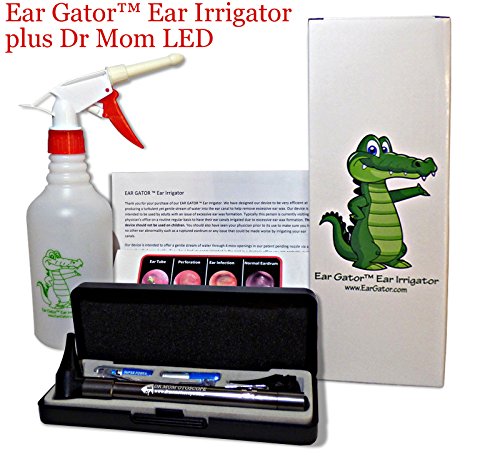
The Ear Gator Ear Irrigator plus Third Generation is a complete ear wax removal kit that includes lighted ear curettes, ear irrigation device as well as an otoscope. Because it is so straightforward, lightweight and easy to use, this particular apparatus was very-well received by the majority of customers.
In fact, the majority of people quite liked the detailed instructions that came with the apparatus: according to them, this largely simplified the process for the majority of users, especially first-time customers.
With this apparatus, customers claimed they could benefit from a highly gentle irrigation process thanks to the micro-streams of water emerging from the 4 tiny openings. These streams of water gradually gather to create a cross convergence near the ear cerumen. According to the majority of users, this particular process did not irritate or damage their eardrums.
Ideal for adults who present excess cerumen, this particular kit also comes with lightly textured curettes to provide a firm grip, something that users did seem to appreciate.
As far as the drawbacks are concerned, a couple of users claimed that their irrigation bottle was prone to leakages, while another customer complained that his curette broke after the second use. This was an isolated complaint.
Bionix OtoClear Portable Ear Irrigation System
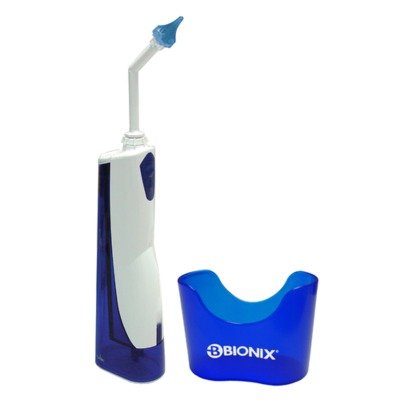 Designed to provide a comfortable and intensive ear irrigation without any of the backsplash that normally accompanies other models, the Bionix OtoClear Portable Ear Irrigation System seems to be quite popular among the majority of users.
Extremely lightweight at only 1.25 pounds, this apparatus features an easy-to-hold system to largely reduce the risk of accidents- a feature that customers quite appreciated.
Users also liked the rechargeable battery as well as the self-contained 210ml water reservoir which rendered the apparatus even more efficient for them. According to customers, this unit delivered a pulsed irrigation system which meant that instead of harsh jets suddenly bursting through the inner ear canal, users were treated to a gentle and steady stream of water, courtesy of the apparatus’ three divergent streams.
Because the water enters the canal at a 30 degree angle, any risk of puncture is eliminated. Moreover, the single-use tips were also very well-received by customers since it enabled them to skip any sterilization process while still reducing the risk of cross-contamination.
Another feature that users liked was the flared tip: according to them, this provided an excellent guide when using the unit since it eliminated any risk of over-insertion.
In spite of its largely positive feedback, one user did comment that his unit did not have a rotating feature, which made it hard for him to use it. Another person thought that the apparatus was on the loud side, which meant he couldn’t use it at night.
Lastly, a customer claimed that he didn’t receive an instruction manual with his purchase, which made it impossible for him to figure out how to operate it since he was a first-time user.
Earwax MD Earwax Removal Kit With Rinsing Bulb
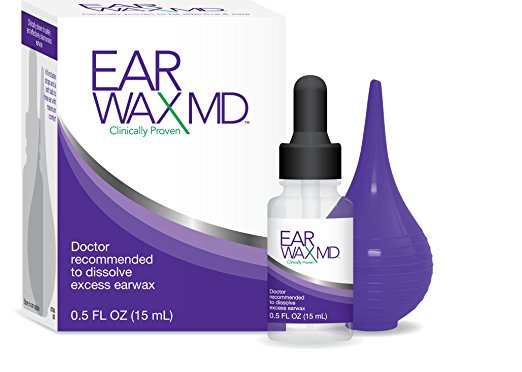
The Earwax MD Earwax Removal Kit With Rinsing Bulb has been clinically proven to easily dissolve earwax in a mere matter of 15-30 minutes, a claim that is supported by the majority of customers who used this apparatus. With a new revolutionary formula, this particular kit features a patent-pending formula whose ingredients have been approved by both clinical studies as well as the FDA. Most customers liked the quick effectiveness of this unit and found that they were able to clear their ear canals in a mere matter of minutes. According to the manufacturers, this was largely due to the dual-action formula that not only helped break apart the skin sheets that can normally get tangled up in the waxy
With a new revolutionary formula, this particular kit features a patent-pending formula whose ingredients have been approved by both clinical studies as well as the FDA. Most customers liked the quick effectiveness of this unit and found that they were able to clear their ear canals in a mere matter of minutes.
According to the manufacturers, this was largely due to the dual-action formula that not only helped break apart the skin sheets that can normally get tangled up in the waxy substance, but also targeted the oily component. In fact, users claimed that all these features worked together to dissolve the wax in a comfortable and pain-free manner.
Most users also liked the fact that this unit was efficient enough for them to skip potentially expensive doctor’s appointments since they were able to completely dislodge the wax on their own.
While most people were extremely satisfied with this product, there have a been a couple of negative feedback, where customers complained it didn’t really work for them.
Forearcare Visual Earwax Removal USB Mini-camera
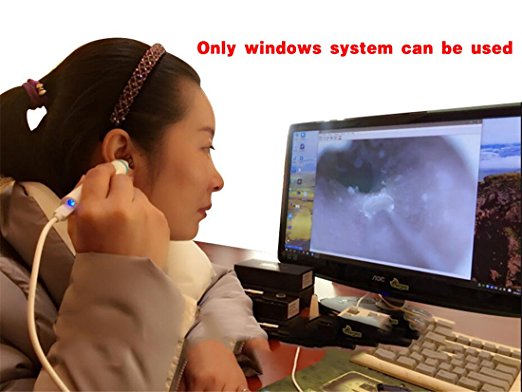
A highly innovative product, the Forearcare Visual Earwax Removal comes with a mini camera to guide you during the extraction process. Thanks to the visual otoscope, users have claimed they were able to better inspect the removal process, while preventing any damage to the inner ear canal or eardrum.
This otoscope works through a photoelectric signal transmission and can even be used on different body parts such as nasal cavity, oral cavity, pores as well as the scalp.
Another feature that customers quite liked was the simple plug and play operation: all they needed to do was plug the camera into their laptop and the picture would appear on the screen. According to users, two ear spoons are also included in the boxed packaging- one long and one short- for ease of use.
As far as the downsides are concerned, a few users did bemoan the lack of proper instructions which made it hard for them to initially use the unit. Another person complained that the real time observation system of the ear spoon going through the canal occasionally froze on the screen, making it hard for him to benefit from a live video.
Doctor Easy Wax-Rx Ph Conditioned Ear Wash System
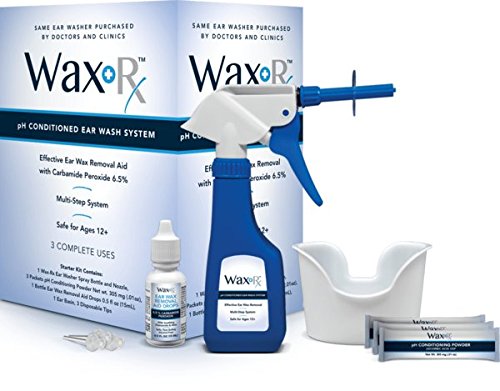 Designed for home use, this ear wash kit includes a variety of accessories to make the cleaning process easier for you.
Indeed, customers receive 3 disposable tips, 3 packets of Wax-Rx pH Powder Rinse, wax removal aid drops enhanced with chamomile and aloe, post-wash rinse as well as an ear-basin.
Users quite liked how they got 3 full uses out of one kit. In addition, most people were appreciative of the easy and fuss-free cleaning process which made it easier for them to clean out their ears.
The great majority of feedback received for this product was positive, with one single user stating that he could not remove any wax.
What’s Next?
Now that you know the truth about cleaning your ears, it’s essential that you take precautionary measures to do so wisely and safely without damaging your inner ear.
Use the right at-home cleaning methods, or visit your doctor for a professional ear wash!
Best Ear Wax Removal Kit & Product Buying Guide
When wondering how to get rid of ear wax, you should keep in mind the following points when selecting a product or method.
Safety
When looking at purchasing ear wax removal products, safety is the number one priority. Anything with the potential to damage one’s hearing should be instantly discarded.
Efficacy
Cleaning effectiveness is important to ensure you get a fully cleaned ear canal and remove as much of the ear wax as possible. As you’ve read, some of the products differ considerably in their ability to remove ear wax conveniently and safely.
Cost Effectiveness
Some products like the ear wax candle are a single use item while others can be used for a lifetime if properly cared for. It’s important to factor in the cost of each of the products relative to their lifetime of use to get the best value for money.
Ease Of Use
Finally, we want something that is relatively easy and convenient to use. Once we factor in all of these aspects we are able to make an informed purchasing decision into the most appropriate ear wax cleaning product.
Demonstration Video Of How The Ear Wax Irrigation Method Works
I hope this information on the best ear wax removal kits has helped you to make a more informed decision! Let me know in the comments section if you have any questions.
What is Ear Wax?
There are several signs that your hearing may be going. You may have trouble hearing in noisy surroundings, you may have to often ask someone to repeat themselves, you may need to turn the television up when everyone else can hear it, or you may stop hearing everyday sounds. If you believe that your hearing may be going, you should figure out whether it is permanent or if it can be reversed. One of the most common causes of sudden hearing loss is when wax causes a blockage in the ear canal.
The technical term for ear wax is cerumen. The ear canal is lined with hair follicles and glands. These glands produce a waxy oil or ear wax. What many people don’t know is that ear wax is helpful to the body. It is responsible for trapping bacteria, dust, microorganisms, and other foreign particles from entering the ear canal, which can be damaging. The ear wax is also keeps water from irritating the ear canal.
Ear Wax Production
When most people’s bodies produce ear wax, it can be easily cleaned, because it will make its way to the opening of the ear. Some people produce too much ear wax, and it cannot be easily removed from the ear. When there is excess ear wax, it can harden and block the ear canal. When the individual tries to clean it, they can push it deeper into the ear canal, making it difficult to hear.
Causes of Excess Ear Wax Buildup

What causes ear wax buildup is a question many find themselves asking. Earwax is produced naturally by the body as a defence mechanism for your ears, as it helps to keep them clean and makes it difficult for germs to live in your ears. For most people this process goes unnoticed as the wax does not cause them any problems and will fall out of the ears by itself. However, some people will experience a larger build up of wax in their ears and there are several reasons why this happens.
Type Of Earwax
Depending on your ancestry, you can produce different types of ear wax from dry to wet. Some people produce earwax that is naturally hard and dry. This means that the earwax can not pass out of the ear as easily and it will begin to build up in the ear. Earwax that is drier can also be more uncomfortable in the ear and therefore may be more noticeable.
Age
As we get older, then the earwax that we produce tends to become drier. This means that elderly people are more likely to suffer from a build up of ear wax than younger people. This can contribute to any hearing problems that they may already be experiencing.
Type Of Ear Canal
If the ear canal is narrow then excess earwax will not be able to find its way out of the ear very easily, which can lead to a build up in the ear. Some people also have pieces of bone in their ear that protrude into the ear canal. This will not usually cause any problems but it can prevent earwax from leaving the ear.
Whatever is causing your earwax, it is a good idea to get it checked by your doctor if it is causing you any problems. You can find out how much professional earwax removal costs here. If you are find that you suffer from earache on a regular basis, or if you get a lot of ear infections, these can be caused by a build up of too much earwax. Too much earwax in your ear canal may also lead to hearing problems. These problems will not go away unless the excess earwax is removed, luckily earwax removal at home is a simple process if you follow our guide.
For more information you can listen to this video:
Symptoms of Excess Ear Wax Blockage
If you are having difficulty hearing and you are not sure if it is due to age or ear wax, you should be able to recognize the symptoms of excess ear wax blockage:
- Frequent earaches
- A sense of fullness in the ear
- A feeling that the ear is clogged or plugged
- Ringing in the ears, also known as tinnitus
- Partial hearing loss, which may get worse if left untreated
How To Get Rid Of Ear Wax Buildup
If you are having difficulty hearing and you believe that it is due to wax buildup, there are a few different treatments that you should try. This is the method recommended
Softening the earwax: When you soften the ear wax, it will come out easier, making it easier to hear. To soften the wax, mineral oil, hydrogen peroxide, carbamide peroxide, glycerin, and baby oil work great.
Ear Irrigation: If you are planning to irrigate your ear, you should only use products that are specifically made for this purpose. You should follow the directions to the letter, as you can damage your ear drum if you don’t. The safest way to irrigate your ears is to have a doctor do it. If you find that you are suddenly having difficulty hearing, it could be due to ear wax buildup. The sooner you treat the problem, the sooner your hearing will go back to normal.
Summary
Cerumen removal is problematic as it is not without risk. Understanding your options will allow you to make a more informed decision as to how you should get rid of ear wax.
The build-up of earwax can often be treated using eardrops (including hydrogen peroxide) bought from a pharmacy to soften the earwax so that it falls out by itself. If pharmacy treatment doesn’t work, it is suggested that you have your ears washed out. Irrigation can be performed at home with proper equipment or by individuals who have been sufficiently trained in the procedure.
Doctors strongly discourage using cotton swabs or ear candling to remove earwax and say that unless it’s causing vexatious symptoms, earwax should be left alone.